Youth mental health and well-being in the U.S.
Youth mental health and well-being in the U.S.
Adolescents and young adults today are navigating profound and complex challenges that impact their mental health. In 2021, the U.S. Surgeon General described the pressures facing this generation as “unprecedented and uniquely hard to navigate.”
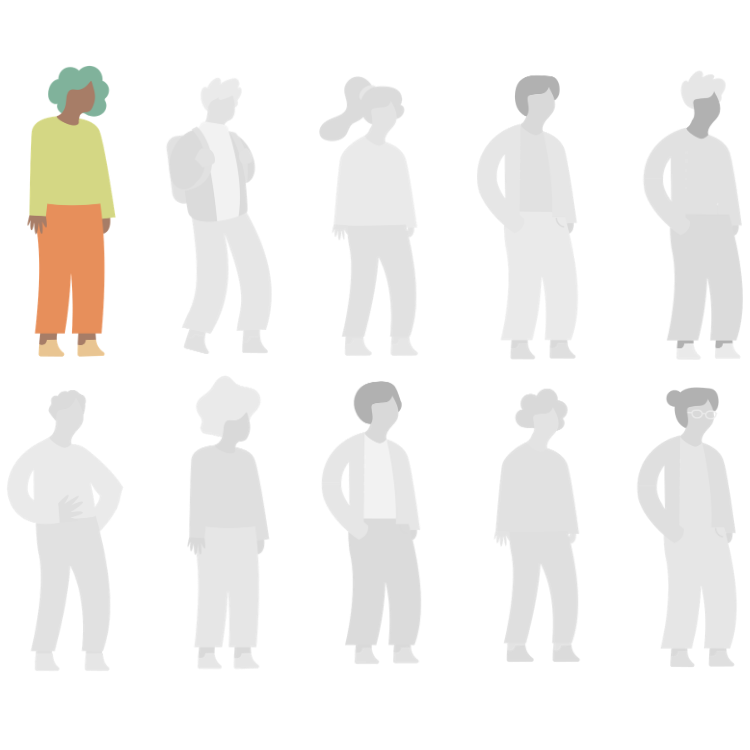
Data confirms this trend: in 2019, one-in-three high school students reported persistent sadness or hopelessness — a 40% increase since 2009. By 2023, that rate reached 40%, with

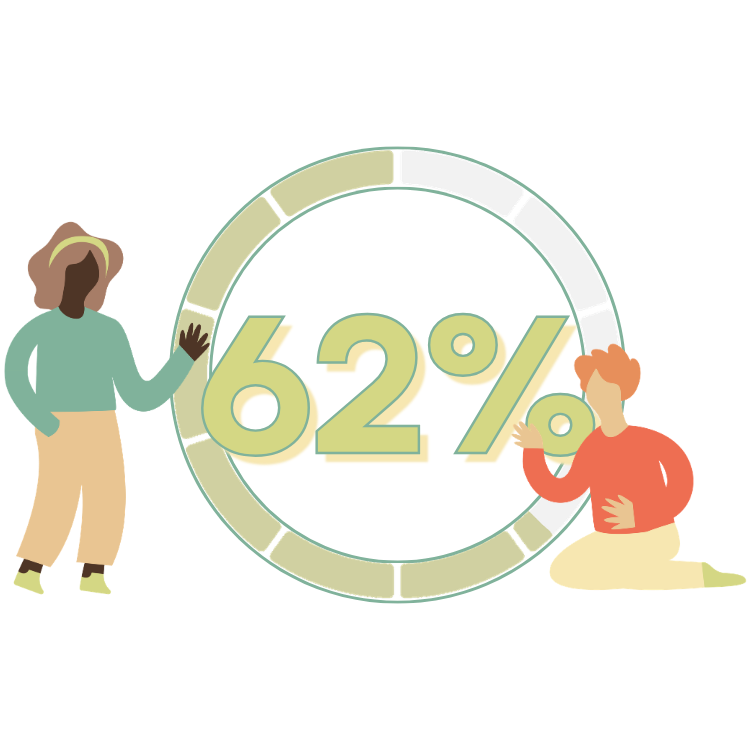
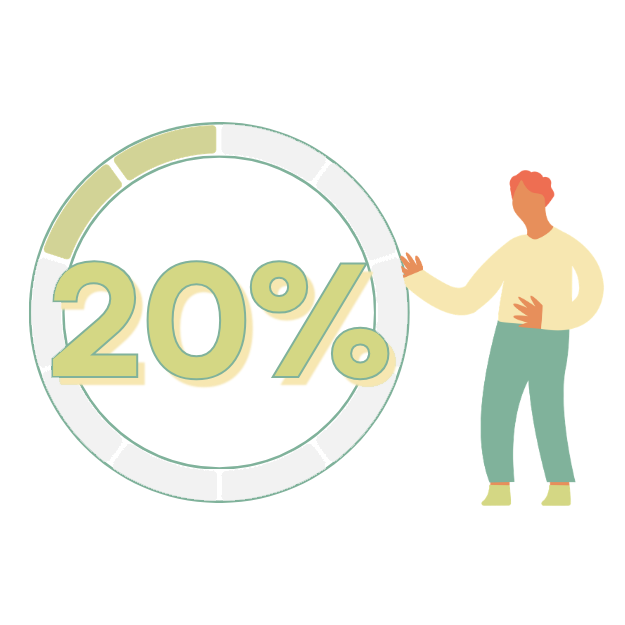
particularly sharp rises among youth in vulnerable communities. In that same year, 20% of U.S. high schoolers said they seriously considered suicide, and 9% attempted it.¹ Despite rising levels of concern, 62% of youth who struggle do not receive the care they need.²
Barriers such as stigma, fear of seeking help, cost, provider shortages, and lack of youth-centered, culturally relevant support continue to prevent young people from accessing timely, appropriate care.
Adolescents and young adults today are navigating profound and complex challenges that impact their mental health. In 2021, the U.S. Surgeon General described the pressures facing this generation as “unprecedented and uniquely hard to navigate.”
Data confirms this trend: in 2019, one-in-three high school students reported persistent sadness or hopelessness — a 40% increase since 2009. By 2023, that rate reached 40%, with particularly sharp rises among youth in vulnerable communities. In that same year, 20% of U.S. high schoolers said they seriously considered suicide, and 9% attempted it.¹ Despite rising levels of concern, 62% of youth who struggle do not receive the care they need.²
Barriers such as stigma, fear of seeking help, cost, provider shortages, and lack of youth-centered, culturally relevant support continue to prevent young people from accessing timely, appropriate care.
Youth mental health and well-being in the U.S.
Adolescents and young adults today are navigating profound and complex challenges that impact their mental health. In 2021, the U.S. Surgeon General described the pressures facing this generation as “unprecedented and uniquely hard to navigate.”
Data confirms this trend: in 2019, one-in-three high school students reported persistent sadness or hopelessness — a 40% increase since 2009. By 2023, that rate reached 40%, with particularly sharp rises among youth in vulnerable communities. In that same year, 20% of U.S. high schoolers said they seriously considered suicide, and 9% attempted it.¹ Despite rising levels of concern, 62% of youth who struggle do not receive the care they need.²
Barriers such as stigma, fear of seeking help, cost, provider shortages, and lack of youth-centered, culturally relevant support continue to prevent young people from accessing timely, appropriate care.

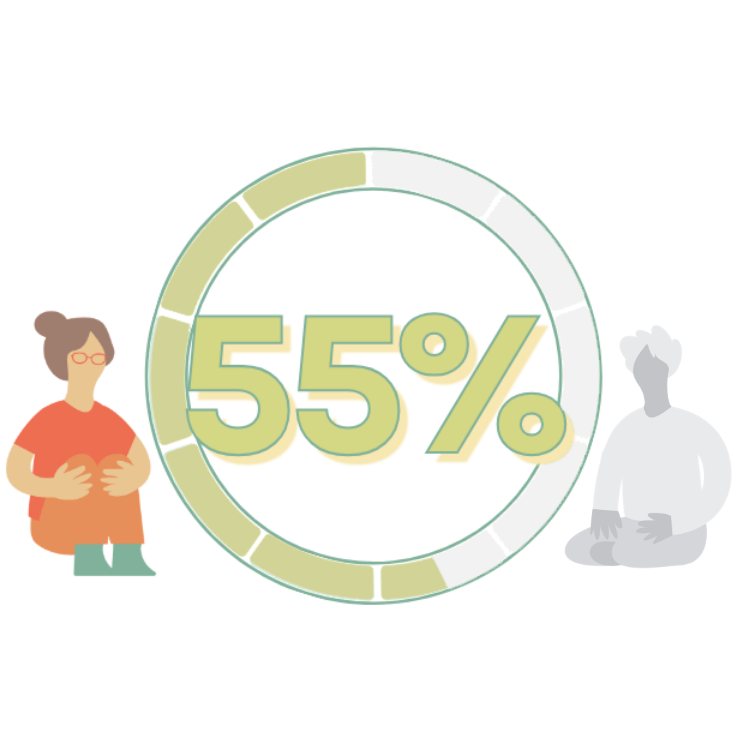
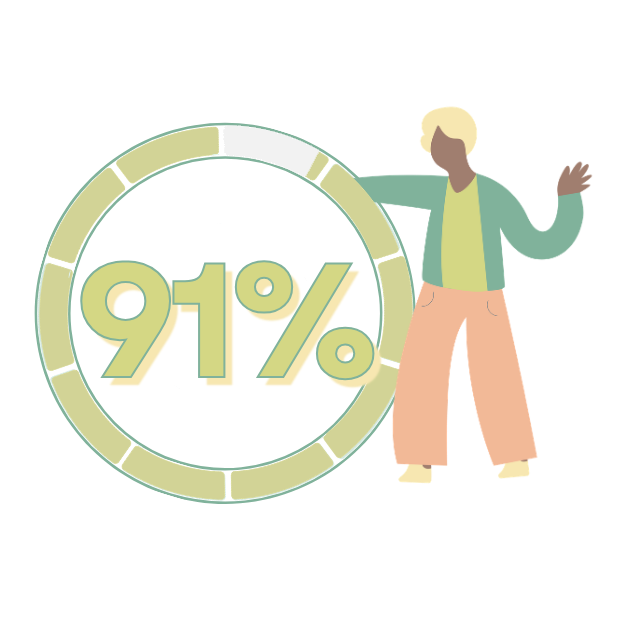
Yet alongside these challenges, young people continue to experience joy, meaning, and hope. A 2025 national poll co-designed with young people found that 55% rated their mental health as good-to-excellent. Another 2024 national survey of more than 4,500 youth ages 10-24 found that 83% expressed optimism about their futures,² and a poll of youth ages 10-18 the same year showed that 94% experienced happiness “a lot of the previous day.”⁴ However, disparities surface when looking at disaggregated data, with nearly a quarter of LGBTQ+ young people and those struggling to meet basic needs rating their mental health as poor.³
Youth mental health is about more than clinical diagnoses or symptoms of distress. It encompasses the full spectrum of emotions young people experience, often on the same day, and the tools they have to navigate them and obtain support when they need it.
Youth mental health is shaped by many interconnected factors including social support, family and peer relationships, physical health, community connectedness, school climate and culture, neighborhood conditions, meaning and purpose, digital environments, genes and brain chemistry, broader socio-political and economic conditions, and more.
Promoting youth mental health and well-being—and ensuring timely, tailored, and youth-centered support when needed—requires coordinated action across the systems and environments that shape young people’s lives: education, health, child welfare, juvenile justice, family and community, digital environments, and more. It also requires equipping trusted caring adults to recognize signs of distress and respond in supportive, developmentally and contextually appropriate ways.
¹ Centers for Disease Control and Prevention. (2024, November 29). Youth mental health: The numbers. U.S. Department of Health and Human Services. https://www.cdc.gov/healthy-youth/mental-health/mental-health-numbers.html
² Surgo Health. (2025). Youth Mental Health Tracker. https://www.trackyouthmentalhealth.com/
³ Hopelab and Data for Progress. (2025). In Their Own Words: Young Voices on Mental Health and Their Future. https://hopelab.org/stories/nationalpoll National survey
⁴ Hrynowski, Z. (2024, July 30). Gen Zers to their parents: When we are upset, just listen. Gallup. https://news.gallup.com/poll/647687/gen-zers-parents-upset-listen.aspx